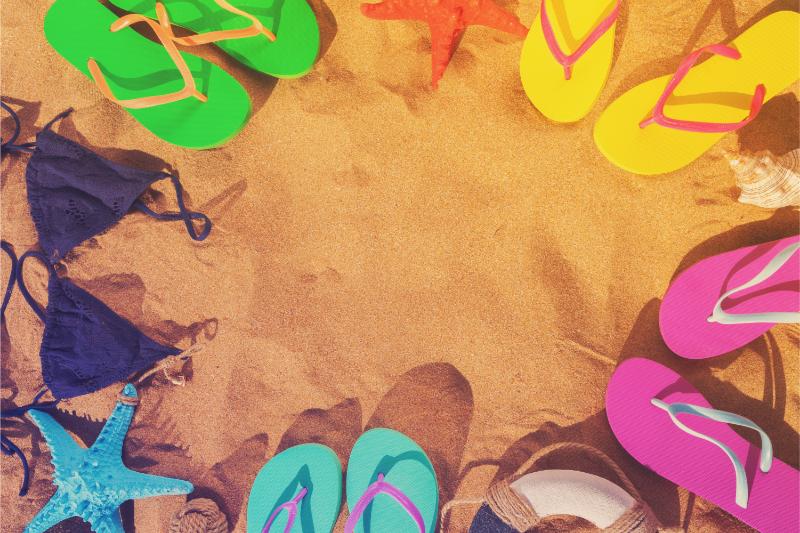
When we think of plastic pollution in our oceans, images of plastic bottles, shopping bags, and straws often come to mind. Yet, there’s a lesser-known but equally devastating source of pollution — discarded footwear. Specifically, flip-flops, the lightweight, rubber-based sandals worn by millions of people around the world, are creating a hidden environmental crisis. These everyday shoes, often made of durable, non-biodegradable materials, are contributing to a growing problem of waste and pollution, particularly in coastal regions.
In this post, we’ll explore the global flip-flop crisis, why it’s such an overlooked issue, and what can be done to address it.
Why Are Flip-Flops a Problem?
Flip-flops are a staple of everyday life in tropical regions, coastal towns, and areas where the climate calls for easy, breathable footwear. However, their convenience and affordability come at a cost. Most flip-flops are made from rubber or foam, materials that are incredibly difficult to break down naturally. When these flip-flops are discarded — whether due to wear and tear, or simply because they are no longer wanted — they often end up in landfills or worse, in the ocean.
The sheer volume of flip-flops disposed of annually is staggering. In fact, a recent study revealed that millions of flip-flops are found on beaches around the world each year, with one beach in Kenya alone collecting over 400,000 flip-flops. This is not just a problem in remote locations; flip-flops are found on beaches globally, from the Pacific Islands to North America’s coasts. When they end up in the ocean, flip-flops break apart into smaller pieces of foam and rubber, contributing to the ever-growing problem of microplastics in marine environments. These small particles are ingested by marine life, entering the food chain and causing harm to animals and ecosystems.
The Impact of Flip-Flops on Marine Life
The effects of discarded flip-flops on marine life are severe. The foam from flip-flops can float on the ocean’s surface, drifting across vast distances and accumulating in large, trash-filled areas known as “garbage patches.” Marine creatures often mistake the debris for food, leading to injury, poisoning, or death. Sea turtles, for example, have been known to ingest flip-flop foam, which can cause digestive blockages or poisoning. Fish, seabirds, and marine mammals also suffer from the toxic chemicals and microplastics that are released into the ocean as flip-flops degrade.
Moreover, these discarded footwear items contribute to the plastic pollution that is slowly suffocating marine ecosystems. As flip-flops degrade, they release harmful toxins into the water, impacting both aquatic life and coastal communities that rely on healthy oceans for fishing, tourism, and local economies.
Why Is the Flip-Flop Problem Overlooked?
While plastic bags and bottles often make headlines, flip-flops remain a relatively hidden issue. Part of the reason for this is their composition: because flip-flops are made from foam and rubber, they don’t always show up in the same categories as plastic bottles or other traditional plastic items in pollution studies. Their lightweight design also means they can be blown by wind into remote areas or drift far from their origin, further complicating tracking efforts.
Additionally, discarded flip-flops aren’t as easily visible as larger pieces of plastic waste. Many end up sinking below the surface of the water, or breaking apart into smaller particles, which may not be as immediately obvious but are just as damaging in the long term.
What Can Be Done About It?
While the flip-flop crisis may seem overwhelming, there are steps that can be taken to mitigate its impact:
-
Proper Disposal and Recycling: One of the most important actions we can take is to properly dispose of flip-flops when they are no longer usable. While flip-flops are not commonly accepted in standard recycling programs, some innovative recycling programs are emerging that specifically target footwear waste. Companies like the Flip Flop Recycling Company (FFRC) are leading the charge by upcycling discarded flip-flops into art, functional products, and even eco-friendly materials.
-
Supporting Upcycling Initiatives: Upcycling is a powerful tool in combatting footwear pollution. Instead of simply discarding old flip-flops, organizations can transform them into high-value products. FFRC takes discarded flip-flops and turns them into colorful, handmade sculptures and art, diverting waste from landfills and oceans and creating jobs in the process. Supporting these initiatives not only helps reduce waste but also promotes creativity and sustainability.
-
Designing for Sustainability: Footwear manufacturers can play a major role in reducing the environmental impact of flip-flops by designing shoes that are more durable and made from biodegradable materials. There is growing interest in sustainable footwear, with several brands now offering flip-flops made from recycled or plant-based materials. By choosing these eco-friendly options, consumers can help reduce the overall demand for unsustainable, disposable footwear.
-
Beach Cleanups and Awareness: Community involvement plays a significant role in reducing pollution. Participating in or organizing local beach cleanups can directly reduce the amount of flip-flop waste in coastal areas. These efforts, combined with spreading awareness about the issue, can help create a larger movement to address the global flip-flop crisis.
The Role of Consumers in Tackling the Problem
As consumers, we also have a responsibility to make mindful choices when purchasing flip-flops. Opt for brands that prioritize sustainability, durability, and recyclability. When flip-flops become worn out or damaged, consider donating them to organizations that can repurpose or upcycle them, or find local recycling programs that accept footwear waste.
By reducing our consumption of cheap, single-use footwear and supporting innovative recycling and upcycling initiatives, we can all be part of the solution to the global flip-flop crisis.
Conclusion
The global flip-flop crisis is a growing environmental problem that deserves more attention. Discarded flip-flops contribute significantly to plastic pollution, especially in coastal regions and oceans. However, with greater awareness, innovation, and sustainable choices, we can begin to reduce the impact of flip-flops on our planet. Organizations like FFRC are paving the way by turning discarded footwear into valuable products, offering a creative solution to this pressing issue. By supporting these efforts and making responsible decisions as consumers, we can help create a cleaner, more sustainable world for future generations.