
Choose a Venue That Supports Sustainability
One of the most effective ways to make a wedding more environmentally friendly is to choose a venue that already incorporates sustainable practices. For inspiration, couples can explore the collections and designers featured at Winsome Brides to discover wedding dress styles that balance personal taste with timeless appeal.
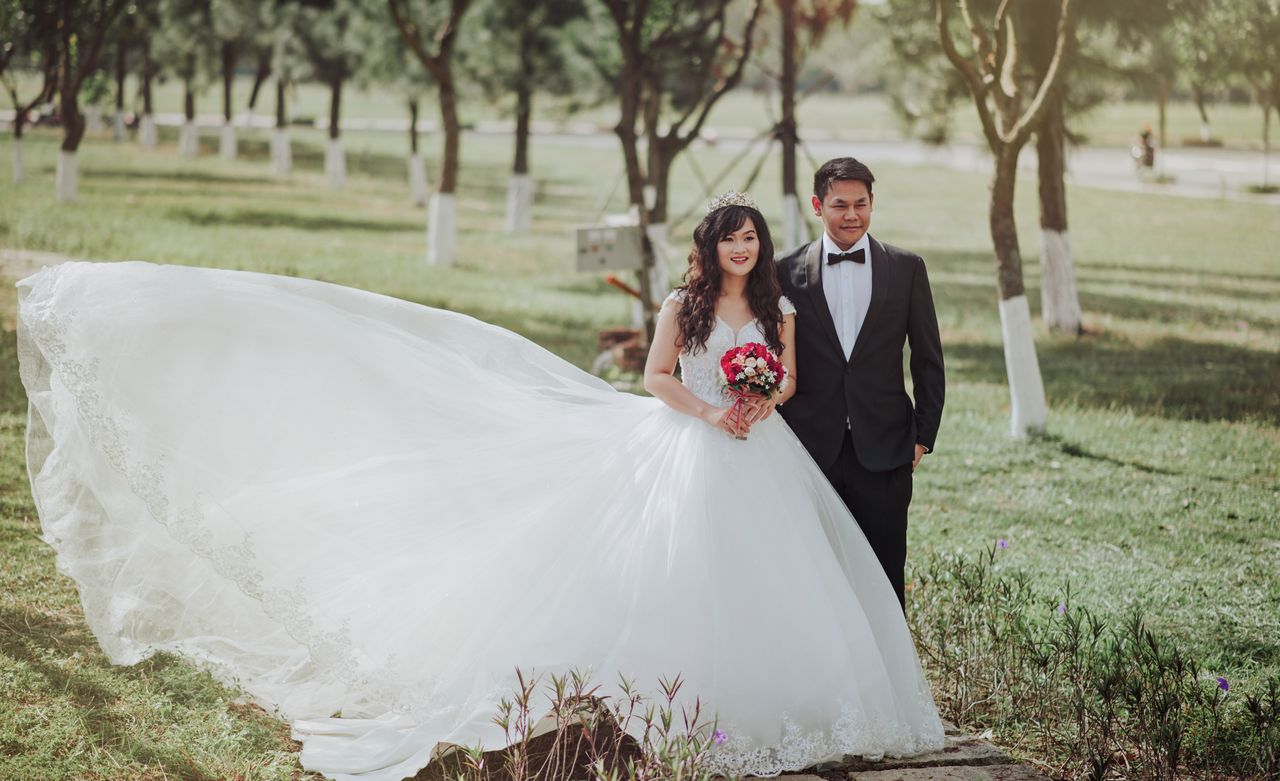
Outdoor venues, gardens, vineyards, and locations with natural scenery can reduce the need for excessive decorations. Instead of transforming an entire space with artificial arrangements and elaborate installations, couples can use the existing landscape as part of the wedding design.
When researching venues, ask about their environmental practices. Some locations use energy-efficient lighting, provide recycling and composting services, or work with local food suppliers. Others may have reusable tableware and decorations available, reducing the need to purchase disposable alternatives.
Choosing a venue close to most guests can also help minimize transportation-related emissions.
Make More Sustainable Wedding Fashion Choices
Wedding attire is another area where couples can make a meaningful difference. Many wedding dresses are worn only once, even though they often require significant resources to manufacture.
Rather than focusing exclusively on trends, consider choosing a timeless design that could be preserved, altered, or passed down to another family member. Shopping with designers and bridal boutiques that offer different styles and collections can also help brides find a dress they genuinely want to keep for years.
There are several other ways to make wedding fashion more sustainable:
-
Consider purchasing a pre-owned wedding dress in excellent condition.
-
Explore dresses made with responsibly sourced or lower-impact fabrics.
-
Choose accessories that can be worn again after the wedding.
-
Donate or resell wedding attire after the celebration.
-
Avoid purchasing unnecessary outfits for individual wedding events.
Sustainable fashion doesn’t mean compromising on appearance. It means thinking more carefully about how clothing is purchased, used, and maintained.
Use Seasonal and Locally Sourced Flowers
Flowers play an important role in wedding decorations, but traditional floral arrangements can involve long-distance transportation, excessive packaging, and materials that are difficult to recycle.
Choosing seasonal flowers from local growers can help reduce transportation requirements while supporting nearby businesses. Seasonal arrangements also tend to feel more connected to the time of year and natural surroundings.
Consider using flowers that can serve multiple purposes throughout the celebration. For example, ceremony arrangements can be moved to the reception area, while bridesmaid bouquets can become part of the table decorations.
Another option is incorporating potted plants, which guests can take home and continue growing after the wedding.
If you prefer traditional floral arrangements, ask your florist about composting options and alternatives to floral foam, which can contribute to unnecessary waste.
Reduce Paper Waste With Digital Invitations
Wedding invitations are beautiful keepsakes, but producing and mailing hundreds of printed materials can consume significant amounts of paper and packaging.
Digital invitations offer a convenient alternative. They allow couples to share important details, collect RSVPs, and communicate schedule updates without printing multiple documents.
If physical invitations are important to you, consider using recycled paper, plantable seed paper, or printing companies that follow environmentally responsible production practices.
You can also reduce paper waste by creating a wedding website containing information about accommodations, directions, schedules, and frequently asked questions.
This approach makes planning easier for guests while reducing the need for additional printed materials.
Plan a Menu That Minimizes Food Waste
Food is another major consideration when planning a sustainable wedding. Large celebrations often involve preparing more food than guests actually consume.
Working closely with your caterer can help you estimate appropriate portions based on the guest count, menu selections, and serving style.
Consider incorporating locally sourced ingredients and seasonal produce. These choices can support regional farms while reducing some of the environmental impact associated with transporting ingredients over long distances.
You may also want to ask your caterer whether they can donate untouched surplus food to local organizations, provided applicable food safety requirements are met.
For beverages, consider using water dispensers and reusable glassware instead of individually packaged plastic bottles.
Choose Decorations That Can Be Reused
Wedding decorations can quickly become a significant source of waste, particularly when couples purchase items specifically for a single event.
Instead of buying everything new, consider renting table settings, linens, lighting, arches, and decorative furniture. Rental companies often maintain large inventories of items that can be used for multiple celebrations.
Other ideas include:
-
Using candles and decorative pieces that can be reused at home.
-
Renting tablecloths and decorative backdrops.
-
Incorporating family heirlooms or meaningful personal items.
-
Choosing natural materials such as wood, greenery, and reusable fabrics.
-
Avoiding single-use plastic decorations and disposable tableware.
A thoughtful design approach can create a cohesive wedding atmosphere without requiring large quantities of new materials.
Give Guests Thoughtful and Practical Wedding Favors
Wedding favors are a traditional way to thank guests for attending, but many inexpensive favors eventually end up in the trash.
Instead of purchasing small decorative items that may never be used, choose practical gifts that guests can enjoy after the celebration.
Examples include locally produced honey, small potted plants, reusable shopping bags, handmade soaps, or locally sourced food products.
You could also skip physical favors entirely and make a donation to a charitable organization in honor of your guests.
The goal is to provide something meaningful rather than simply adding another item to the wedding budget.
Work With Vendors Who Share Your Values
A sustainable wedding is easier to organize when your vendors understand your priorities. Photographers, florists, caterers, rental companies, and planners may already have environmentally conscious practices in place.
During consultations, ask vendors about their sourcing, packaging, transportation, recycling, and waste management procedures.
You don’t need every vendor to be perfectly sustainable. Even small improvements across multiple areas can make a difference when combined.
Winsome Brides is one example of a bridal boutique couples can explore when researching wedding attire and different designer collections. Taking time to evaluate available options helps couples make thoughtful decisions about one of the most memorable parts of their celebration.
Create a Celebration That Reflects Your Values
A beautiful wedding doesn’t have to come with unnecessary environmental waste. By choosing thoughtful vendors, reusable decorations, seasonal flowers, and more sustainable fashion options, couples can create a celebration that reflects both their personal style and their values.
The most meaningful weddings are built around the people, experiences, and memories that make the day special. Making environmentally conscious decisions simply adds another layer of purpose to the celebration.
With a little creativity and preparation, couples can enjoy an elegant wedding while making choices that are better for the environment and more meaningful for the future.