
The world’s oceans are drowning in plastic. It’s an alarming reality that affects every corner of the globe, from the most remote beaches to the deepest parts of the ocean. Each year, millions of tons of plastic waste enter the seas, threatening marine life, ecosystems, and ultimately, the planet’s health. While the scale of the problem is daunting, initiatives like the Flip Flop Recycling Company (FFRC) are helping to turn the tide. In this post, we’ll explore the devastating effects of plastic pollution on our oceans and how upcycling, such as the efforts by FFRC, can make a significant difference.
The Scope of the Plastic Pollution Crisis
Plastics are ubiquitous in our everyday lives, from food packaging and water bottles to clothing and household goods. But the problem isn’t just that we use plastic – it’s how we dispose of it. Only 9% of plastic waste ever gets recycled, and much of it ends up in landfills or, worse, in our oceans.
According to the United Nations, around 8 million tons of plastic waste enter the ocean each year, and the global plastic production is expected to double by 2040. This is leading to what some scientists have called a “plastic pandemic” that is overwhelming marine ecosystems.
When plastic waste enters the ocean, it breaks down into smaller particles known as microplastics. These tiny pieces are consumed by marine life, from plankton to whales. As they work their way up the food chain, microplastics pose a significant threat to both wildlife and human health, with plastics entering our food supply and water sources.
The Role of Flip Flops in Plastic Pollution
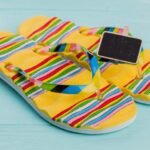
One often-overlooked contributor to ocean plastic pollution is discarded footwear. Millions of flip-flops are tossed away each year, many of which end up in the ocean. These rubber and foam flip-flops take hundreds of years to decompose, contributing significantly to beach pollution, particularly in coastal regions where tourism is heavy.
Yet, flip-flops are a major part of daily life in many parts of the world. What happens to them when they are no longer usable is a growing problem. In fact, reports have shown that flip-flops are among the most commonly found pieces of plastic on beaches worldwide.
At FFRC, the focus is on turning these discarded flip-flops into something beautiful, useful, and sustainable. Through upcycling, the company takes flip-flops that would otherwise pollute the environment and transforms them into colorful, unique works of art, helping to divert waste from landfills and oceans.
What We Can Do About It: A Call to Action
While large-scale solutions like recycling programs and waste management improvements are essential, individual actions can also make a real impact. Here are a few things we can all do to reduce plastic waste:
-
Reduce Single-Use Plastics: Limit the use of single-use plastics like straws, plastic bags, and water bottles. Opt for reusable alternatives made of glass, metal, or sustainable materials.
-
Support Upcycling Initiatives: Support companies and organizations like FFRC that transform waste into something valuable. Your purchases help reduce the demand for new plastic products and support local artisans.
-
Get Involved in Clean-Up Efforts: Participate in local beach or park clean-up activities. By directly engaging with the environment, we not only make an immediate difference but also raise awareness about the importance of reducing plastic waste.
-
Advocate for Stronger Regulations: Support policies that aim to reduce plastic production, improve waste management, and encourage recycling innovation. Local governments and companies must do their part in addressing the plastic crisis.
-
Educate and Inspire Others: Share the knowledge about the dangers of plastic pollution and encourage others to take action. The more people who understand the impact, the greater the collective effort to combat this issue.
Upcycling: Turning Trash into Treasure
While recycling is important, it’s not always enough to address the scale of the plastic pollution crisis. Upcycling, however, takes recycling a step further by creatively transforming waste into higher-value products. This process not only reduces waste but also creates new opportunities for sustainable design, craftsmanship, and innovation.
FFRC’s initiative to upcycle flip-flops into art pieces is an inspiring example of how upcycling can be a game-changer. By partnering with local artisans, FFRC provides sustainable employment while also tackling ocean plastic pollution. The products they create—from sculptures to accessories—are not only eco-friendly but also serve as a symbol of hope for a more sustainable future.
Conclusion: Together, We Can Make a Difference
The fight against ocean plastic pollution is an urgent global challenge. While plastic waste continues to harm our oceans, there is hope. Through initiatives like FFRC, we can upcycle waste into beautiful, valuable products while empowering local communities and reducing plastic pollution.
But the fight doesn’t stop with FFRC or similar organizations. It’s a collective effort that starts with each of us. By reducing our consumption of single-use plastics, supporting upcycling initiatives, and advocating for change, we can take meaningful steps toward preserving our oceans and the creatures that depend on them.
Together, we can turn the tide on plastic pollution and help create a cleaner, healthier world for future generations.